Gardening Forest Hill: Recycling and Sustainability
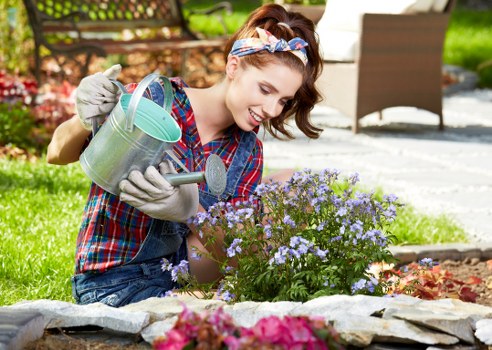 Welcome to our dedicated page on creating an eco-friendly waste disposal area and a thriving sustainable rubbish gardening area at Gardening Forest Hill. Our neighbourhood initiative is focused on reducing landfill, improving soil health through composting, and promoting circular reuse of garden materials. We aim to be a local model for low-impact gardening operations and community-led green waste management that complements the boroughs' approach to waste separation.
Our Recycling Target and What It Means
We have set a clear recycling percentage target: 65% of all garden and associated site waste diverted from landfill within the next three years. This target covers green waste, cardboard and paper from packaging, small amounts of metal and plastic used in pots and tools, and household organics produced during events. By tracking weight, volume and reuse outcomes, we plan to move steadily toward that 65% goal and beyond.
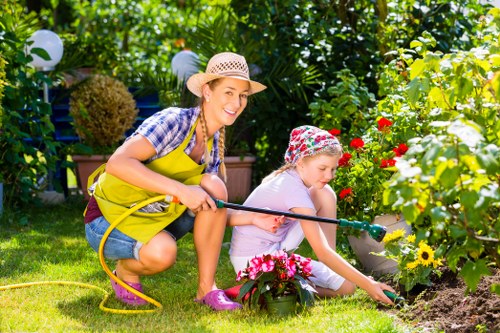 To reach this target we combine on-site segregation with off-site partnerships. We sort into distinct streams—green waste for composting, dry recyclables, reusable items for charity, and any residual waste for transfer stations. This layered approach echoes how local boroughs manage separation: food and garden waste in one stream, paper and card in another, and glass, tins and plastic recycled through kerbside or civic amenity services.
Local Transfer Stations and Practical Logistics
We work with nearby transfer stations to ensure non-compostable and bulk materials are handled responsibly. These municipal and commercial transfer facilities accept segregated loads and route them to licensed processors, minimising contamination and maximising recycling recovery. Our collaboration ensures an efficient chain from garden gate to processing plant.
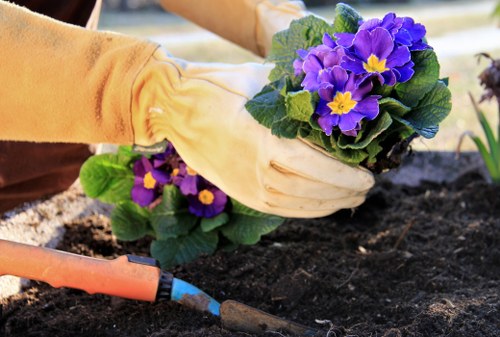 On a practical level we maintain a tidy on-site sorting area that is signposted with clear colour-coding and brief instructions. Volunteers and staff are trained to follow borough guidance on separation so that glass, cans, paper, plastic and organic waste are kept apart. This reduces sorting costs downstream and improves the quality of material delivered to transfer stations.
What We Recycle and Reuse
Our core recycling activities include:
- Green waste composting — leaves, prunings, grass cuttings turned into nutrient-rich compost.
- Container and pot reuse — clean plastic and terracotta pots reclaimed for community planting projects.
- Cardboard and paper — stems, seed trays and packaging separated and baled.
- Small metal and plastic tools — assessed for reuse or recycling.
We are committed to reducing emissions across our operations. To that end, Gardening Forest Hill operates a small fleet of low-carbon vans for material collection and deliveries. These vehicles are a mix of electric vans and ultra-low-emission hybrids that reduce diesel miles on local roads and lower our carbon footprint when moving compost, plant materials or donated items to partner hubs.
Partnerships with charities play a central role in our sustainable rubbish gardening area model. We collaborate with local reuse organisations and community projects to rehome usable garden furniture, tools and surplus plants. Charities benefit from a steady supply of items to sell or repurpose; our waste streams are diverted into productive social and environmental outcomes rather than heading to landfill.
Community Benefits and Behaviour Change
By combining clear segregation practices, transfer station links, charity partnerships and low-carbon logistics, Gardening Forest Hill creates measurable environmental benefit. We emphasise training and clear signage so residents and volunteers understand the difference between, for example, garden waste composting and mixed recyclable collections run by borough councils. Small changes in sorting behaviour lead to higher recycling rates and better-quality compost for our beds.
Events, Education and Seasonal Collection
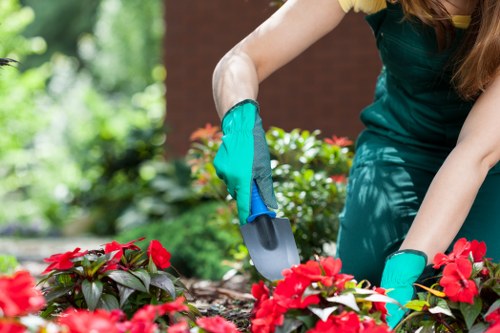
During seasonal clear-ups we run focused collection days where bulk green waste is collected in dedicated containers and taken to licensed processors. These events highlight best practice in creating an efficient sustainable rubbish gardening area and give hands-on experience with turning cuttings into compost. We also host short talks and demonstrations that align our on-site practices with the wider borough waste separation rules.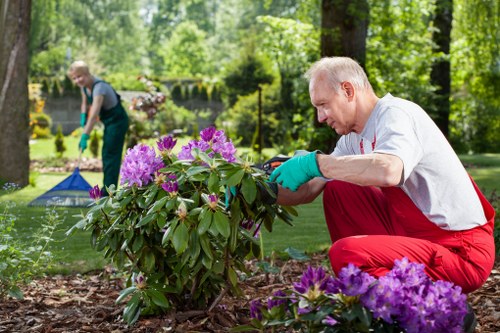 Long-term resilience depends on partnerships. We work closely with local authorities in Lewisham (and neighbouring Southwark where relevant) to integrate our actions with municipal recycling programmes. This local coordination means materials are treated according to the boroughs' specifications for composting, recycling and reuse, improving outcomes for both our community garden and the wider area.
Gardening Forest Hill invites the community to participate in a low-waste future: support our green waste recycling hub, help us meet the 65% diversion target, and be part of a neighbourhood commitment to a greener, cleaner Garden Forest Hill. Together, through careful sorting, charity partnerships and low-carbon transport, we can turn garden waste into resources and build a more sustainable local gardening economy.